Industry
Robotics • Logistics
Year
2025
Tools
Figma
FigJam
Unbox Robotics - Digital Experience For Warehouse Automation
Simplifying complex warehouse workflows through thoughtful digital design
Unbox Robotics focuses on warehouse automation and intelligent logistics solutions designed to improve operational efficiency. The project explored how digital experiences within industrial and logistics environments could feel more structured, accessible, and easier to navigate. The challenge was presenting large amounts of technical information while maintaining clarity and usability across the experience. The interface needed to communicate precision and reliability without becoming visually overwhelming. My approach focused on improving information hierarchy, simplifying navigation, and creating a more modern visual system that supports both functionality and readability.

Creating a more approachable industrial experience
Industrial and warehouse platforms often prioritize technical functionality while overlooking usability and visual clarity. This project explored how a cleaner interface system and more intentional layout structure could create a smoother digital experience for users interacting with operational data and automation workflows. The goal was not only to improve aesthetics, but also to reduce friction when navigating information-heavy environments.


Balancing technical information with usability One of the biggest challenges was designing for clarity within a data-heavy and operational environment. The experience needed to: - organize complex information clearly - improve navigation between workflows - support faster scanning and readability - create visual consistency across sections - maintain a professional and reliable visual identity The design direction focused on making industrial systems feel more approachable without losing the precision expected from logistics and automation platforms.


Exploring layout systems and interaction structure
The process began by understanding how users interact with operational dashboards, logistics information, and warehouse workflows. Early exploration focused on: - structuring navigation more clearly - improving information hierarchy - simplifying visual density - creating modular layout systems - improving readability across interface sections Different layout directions and interface compositions were explored before refining the final visual language.

Creating a modern and scalable interface language The visual system focused on combining structured layouts with a bold but minimal aesthetic. A darker interface palette paired with strong contrast and accent colors helped create a sense of precision while maintaining readability across the experience. Typography, spacing, and component consistency played an important role in making the interface feel cohesive and easier to navigate.

Structuring complex information flows Wireframes were used to establish layout hierarchy, navigation systems, and information grouping before moving into final visual refinement. The focus during this stage was understanding how users would move through: - dashboard interactions - warehouse information - operational workflows - system navigation - data visibility This helped simplify the experience and improve overall usability before applying the final visual language.

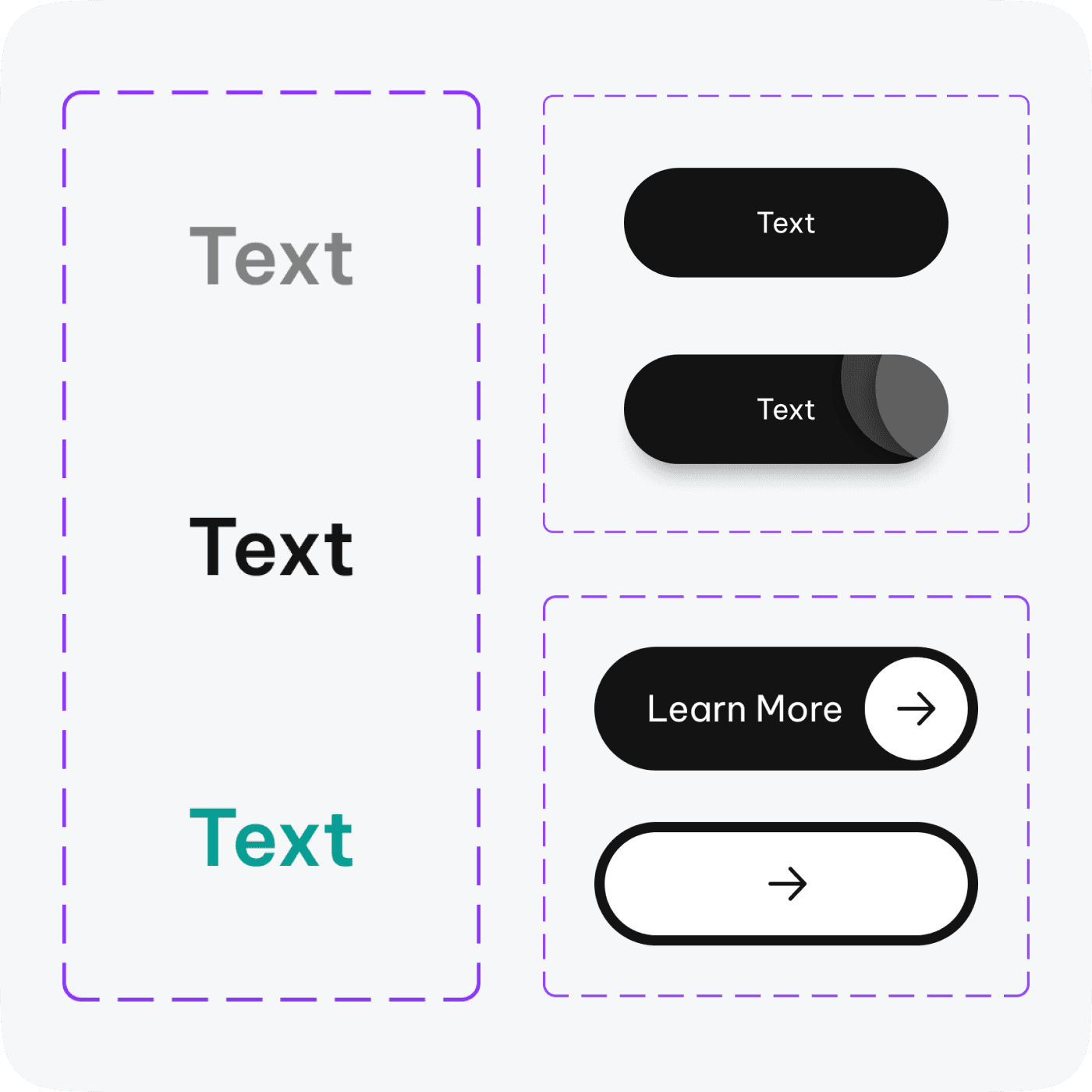
Designing for consistency and scalability A modular component system was created to maintain consistency across different parts of the platform while supporting complex operational interactions. Buttons, cards, tables, navigation systems, and dashboard elements were designed to feel structured, lightweight, and easy to interact with. Creating reusable interface patterns also helped improve scalability and visual consistency throughout the product.

Bringing structure and usability together
The final interface focused on balancing functionality with clarity through cleaner layouts, stronger hierarchy, and more intentional interaction design. By simplifying navigation patterns and reducing unnecessary visual complexity, the experience became easier to understand while still supporting operational depth. The result was a more modern and approachable industrial platform experience that feels structured, scalable, and visually cohesive.

Designing for clarity within complex systems
This project reinforced how important structure and hierarchy are when designing information-heavy digital experiences. Beyond functionality, the goal was to create an interface that feels easier to navigate, visually balanced, and more approachable for users interacting with operational workflows. Working on this project also pushed me to think more intentionally about layout systems, modular design, and how visual simplicity can improve usability within complex industrial environments.
